
Buying in San Miguel: the legal and closing guide
15 November 2026
Who closes the sale, what gets checked, what it costs and how long it takes — the purchase process in San Miguel de Allende, step by step.
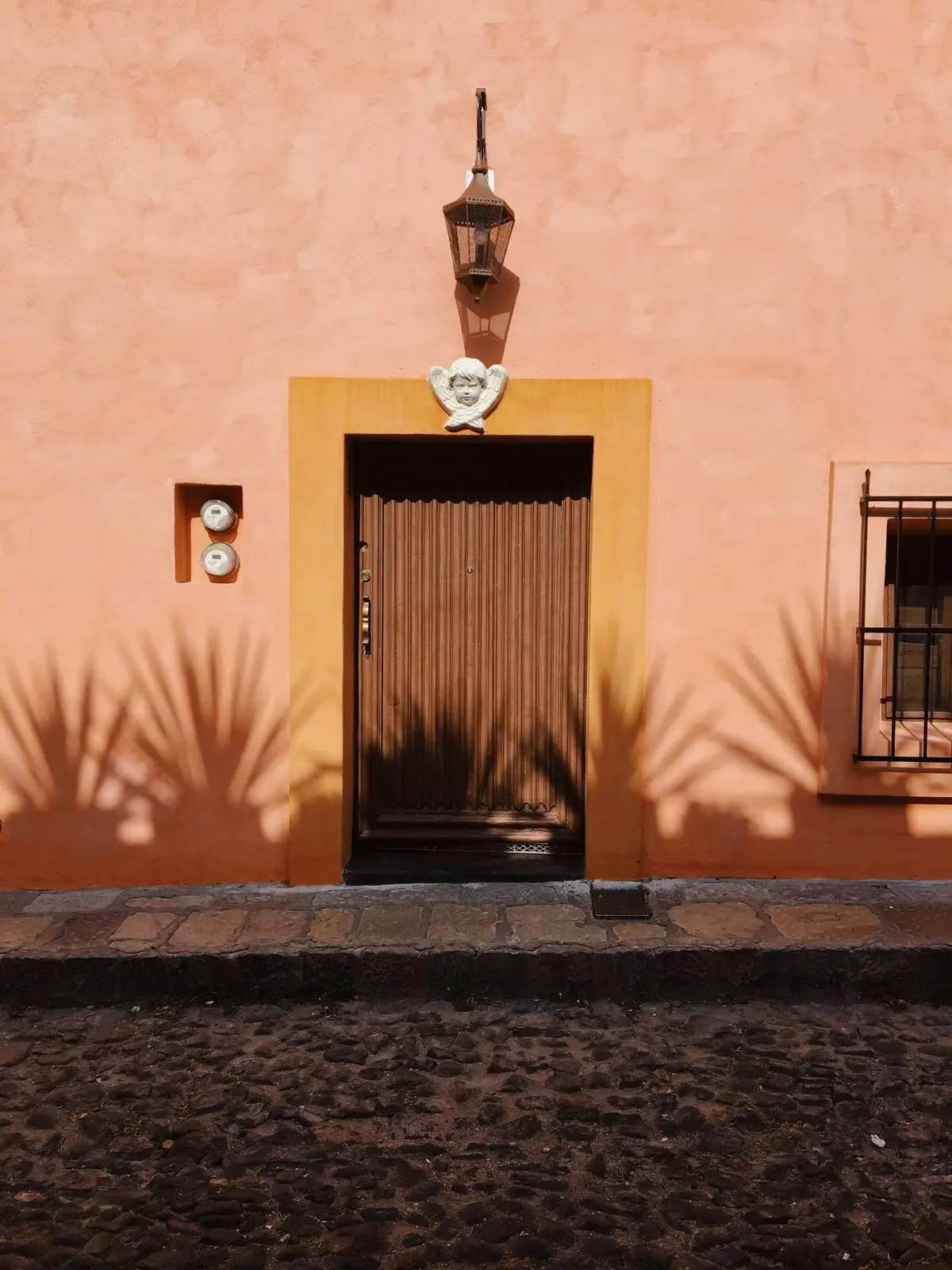
Buying in San Miguel de Allende is more straightforward than most people expect — as long as the right things are checked before you sign. This guide is general information, not legal advice for a specific property.
Can foreigners buy here?
Yes. San Miguel is outside Mexico's restricted coastal and border zones, so a foreign buyer can generally own property directly in their own name — no bank trust (fideicomiso) required. Foreign buyers do complete a permit with the Ministry of Foreign Affairs (SRE) as part of closing; the notario takes care of it.
Who closes the sale?
A notario público — a senior lawyer appointed by the state — prepares and formalises the deed (escritura), calculates the taxes, checks key documents and registers the sale. The notario does not represent you alone, so for a significant purchase many buyers also hire their own attorney.
The process
- Prepare — budget, ownership structure, financing and legal representation.
- Choose the property and look at its first documents.
- Written offer — price, terms, conditions and dates.
- Purchase agreement — reviewed by a lawyer, with the deposit held in escrow or a documented account (never an agent's personal account). Deposit amounts are negotiated, not set by law.
- Due diligence — title, boundaries, debts, permits, zoning.
- Closing preparation — SRE permit, appraisal, certificates, tax calculation and funds.
- Signing before the notario, payment and possession.
- Registration of the deed and transfer of utilities.
A straightforward resale is often planned at about 30–90 days from accepted offer to signing. Title issues, financing, missing permits or an estate in succession can take longer.
What gets verified
- Title — the seller is the registered owner, co-owners agree, and there are no undisclosed mortgages or liens (the certificado de libertad de gravamen is key, but not the whole picture).
- Boundaries — the deed, cadastral records and the real property match. Advertised square metres should be verified.
- Debts — property tax (predial), water and electricity are up to date.
- Construction — the home and later additions (pools, rooftops, casitas) were permitted.
- Use — a home is not automatically allowed to operate as a hotel, restaurant or short-term rental.
Things specific to San Miguel
- Historic Centro — exterior, façade and structural work on protected buildings may need approval from INAH and the municipal historic-centre office. Plan renovations before you make an offer.
- Rural land — ejido (communal) land is not ordinary private title. Verify agrarian status and a valid private deed before buying land or a countryside estate.
- Condominiums and gated communities — read the registered condominium regime, fees, reserves and rental rules, not just the brochure.
- Water — confirm whether the property has municipal water, a shared system or a well, and whether a well has a valid federal concession.
Closing costs
There is no single legal percentage. For planning, many buyers set aside roughly 5–9% of the price; on a MXN 10,000,000 home that is MXN 500,000–900,000. The real figure — acquisition tax (ISAI), notarial and registry fees, appraisal, SRE permit, and your attorney — comes from the notario's written, itemised estimate.
Paying for the property
Mexico's anti-money-laundering rules limit cash and require funds to be traceable. Expect to show where the money comes from and to pay by bank transfer or through escrow.
On closing day
You (or your representative with a power of attorney) sign the deed before the notario, the balance is paid and possession is handed over. The registered deed arrives later — registration is not same-day.
After you buy
Pay the annual property tax, keep utilities in your name, and keep your deed and SRE documents safe. If you plan to rent, check the land-use rules, condominium rules and tax obligations first. Owning property in Mexico does not by itself give you residency.
When to stop and ask
- The seller cannot show registered title, or their identity doesn't match it.
- The land is ejido or "being regularised".
- Payment instructions change by email or WhatsApp — verify them by phone with the notario first.
- You are pressured to skip due diligence.
- The construction or measurements don't match the permits and the deed.
- Road access, water rights or subdivision status are unclear.
Have a question about a specific property? Ask Clair or one of our advisors — we'll tell you what needs to be verified before you commit.
© 2026 San Miguel Luxury. Information on this site is not legal advice.

I just read “Buying in San Miguel: the legal and closing guide”. Can you help me apply it to my situation?